Vending Machine for Sale: What to Know Before You Buy
When “vending machine for sale” is the easy part
Seeing a vending machine for sale online is simple. Picking the right machine for your space, products, and service expectations is where most buyers get stuck.
A good purchase usually comes down to three decisions:
What you’re selling (snacks, drinks, combos, coffee, specialty items)
How you’ll keep it running (service, parts, restocking, uptime expectations)
How you’ll collect payments (cashless options, telemetry, reporting)
If you already know you want a machine now, start by deciding whether you’re looking to buy vending machine equipment as a standalone purchase—or whether a program that includes support, stocking, and maintenance is the better fit (see: Full-Service Vending)

New vs used vs refurbished: which “buy” actually makes sense?
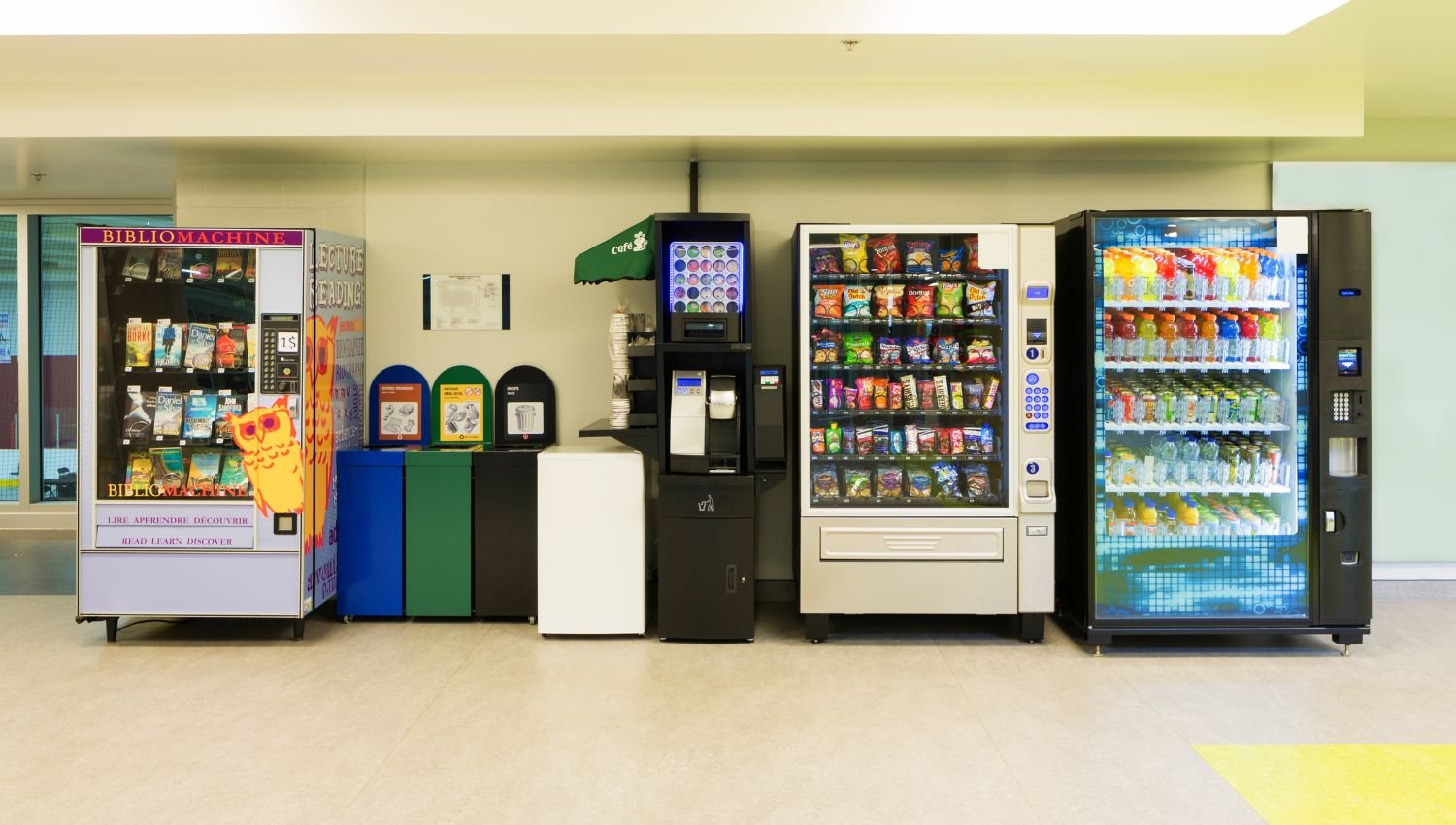
When people shop vending machines for sale, they typically compare these three paths:
New vending machines
New vending machines are best when you need:
Maximum warranty runway and lowest “unknowns”
The latest cashless and telemetry features out of the box
A clean, modern look for high-visibility areas
Tradeoff: the upfront price is higher, and some features still depend on how you configure it (payment reader, modem, plan, reporting).
Used vending machines
Used vending machines can work when:
You’re comfortable inspecting condition and verifying parts availability
You have a clear plan for service and maintenance
The location is lower-traffic and downtime is less costly
Tradeoff: prior wear is the biggest variable, and the true cost often shows up later (service calls, parts, lost sales).
Refurbished vending machines
Refurbished vending machines often land in the “best value” zone if:
The machine has been properly inspected, cleaned, and serviced
Wear items and known weak points have been addressed
You want better reliability than used without paying full new pricing
If you’re comparing these specifically, start here: Refurbished/Used Vending Machines
Match the machine to what you’ll actually sell
The most common mismatch is buying a machine based on price instead of product mix. Here’s a practical way to choose:
Snack
If you’re looking for a snack vending machine for sale, make sure it supports:
Adjustable spirals and trays (so you aren’t locked into one size)
Good vend sensing or delivery reliability for lighter items
Product planograms that fit what people actually buy (not just what fits)
Beverage
If you need a beverage vending machine for sale, check:
Capacity and bottle/can flexibility
Cooling performance and door seal condition (huge for energy and uptime)
Payment and telemetry reliability (beverage buyers go cashless more often)
Custom and specialty machines
If you’re planning a branded deployment or specialty products, a custom vending machine can be worth it when:
You need specific product handling (packaging, size, security)
You want branding, UI/UX, or controlled access
You want to sell niche items where the presentation matters
For specialty builds: Custom & PPE Vending Machines
Combo
A combo vending machine for sale is usually right when you want:
One footprint serving both snacks and drinks
Moderate demand that doesn’t justify two full machines
Simpler placement and quicker deployment
Coffee
If coffee is the priority, treat it as its own category. A coffee vending machine decision should consider:
Drink quality expectations (basic vs premium)
Cleaning routines and operator accountability
Supply consistency (cups, beans, filters, service schedules)
If you’re exploring coffee setups beyond traditional vending, see: Office Coffee Options
What really drives vending machine prices
People ask about vending machine prices like there’s a single “market rate.” In reality, vending machine cost depends on a few measurable factors:
Machine type and capacity (bigger and more specialized usually costs more)
Condition (new vs used vs refurbished, and how it was refurbished)
Payments and telemetry (card readers, mobile payments, reporting hardware)
Cooling and power efficiency (especially for beverage machines)
Parts availability (older models can be cheap upfront and expensive later)
Support model (who services it, how fast, and what’s included)
A quick self-check:
If downtime would hurt your workplace experience or revenue, prioritize support and reliability over the lowest sticker price.
If the machine is for a low-traffic area, used or refurbished may be reasonable—if service is planned.
Where to buy a vending machine without regretting it later
If you’re searching where to buy a vending machine, you’ll see three common routes: marketplaces, direct sellers, and full-service operators.
Here’s the practical difference:
Marketplaces (classified listings, resellers)
Pros: low upfront price, quick purchase
Cons: unclear history, unknown parts/service plan, limited accountability
Best for: buyers who can inspect, test, and service machines themselves
Direct equipment sellers
Pros: more selection, clearer specifications, possible warranty/support options
Cons: you still need to define service and maintenance responsibilities
Best for: businesses that want ownership but also want a reliable supplier
Full-service program with equipment options
Pros: service expectations and uptime are part of the relationship, not an afterthought
Cons: not always the cheapest “one-time” purchase
Best for: organizations that want vending to “just work”
If you want to explore purchasing options directly: Vending Machines for Sale Buy New & Used Vending Machines
What to understand before making a decision
Before you commit, ask yourself two questions:
Who owns the operational risk after install?
If a machine stops vending, jams, stops cooling, or the payment reader drops offline—who fixes it, and how fast?What does “support” mean in writing, not in marketing?
A useful support promise is specific: response time, repair vs replacement, and maintenance cadence.
Practical checklist:
Confirm payment methods supported (cash + cashless; tap-to-pay options)
Confirm restocking responsibility and frequency (if applicable)
Confirm preventative maintenance expectations (not just “call if something breaks”)
Confirm what “replacement” means (same machine type? similar equipment?)
A practical look at how the process works
A clean vending purchase process usually looks like this:
Needs assessment
Product type and expected demand
Space, power, and accessibility
Payment expectations (cashless is increasingly the baseline)
Machine selection
Pick the machine type (snack, beverage, combo, coffee, custom)
Decide new vs used vs refurbished based on uptime risk
Configuration
Payment readers and telemetry
Product setup planning (what goes where, and why)
Delivery and install
Placement, leveling, basic functional testing
Payment test transaction and vend test
Ongoing support
Preventative maintenance schedule
Clear steps for service escalation
If you want vending with program-level support rather than a standalone machine purchase, start here: Full-Service Vending
Budget considerations and common questions
If you’re planning budget, don’t stop at the machine price.
A more realistic total cost view includes:
Payment processing fees (if cashless is enabled)
Consumables and restocking logistics (time, delivery, storage)
Maintenance (preventative vs reactive)
Lost sales / employee frustration cost during downtime
A sensible way to budget:
Treat the machine as a platform.
Treat uptime as the product you’re actually buying.
If you want to talk through options with a vending specialist:
Request a consultation: Red Seal Vending Contact Form
Phone: 1(800)334-6289
Email: info@redsealvending.ca
Why service and uptime matter more than the machine itself
Most regret around buying a vending machine for sale doesn’t come from the machine choice—it comes from what happens after install.
Common failure points that affect real-world performance:
Payment readers going offline
Cooling issues in beverage machines
Jammed spirals or mis-vends
Parts delays for older or unsupported models
This is why many businesses shift from “buy once and forget” thinking to a supported vending program, where uptime, maintenance, and replacement are defined upfront instead of improvised later.
If vending is supporting employees, customers, or residents, reliability becomes part of the experience—not just a back-office decision.
How to decide if buying is right—or if a program makes more sense
Buying a vending machine outright makes sense when:
You want full ownership and control
You already have service, stocking, and repair covered
Downtime has limited impact
A full-service or supported model makes more sense when:
You want predictable operation without internal workload
You expect consistent usage and visibility
You don’t want vending to become a management task
This isn’t about one option being “better”—it’s about matching the model to how critical vending is in your environment.
Quick FAQs people ask before they purchase
Do I need cashless payments, or is cash still enough?
If your audience expects tap or mobile pay, cash-only can suppress usage. Cashless also improves reporting and accountability.
What should I inspect on a used machine before I buy?
Cooling performance (for beverages), coin/bill mechanism condition, keypad/display functionality, vend reliability, and parts availability for that model.
How do I decide between a combo machine and separate snack + beverage machines?
Combo works for moderate demand and smaller footprints. Separate machines make sense when demand is higher or you want more capacity and flexibility.
How often does a vending machine need maintenance?
Preventative maintenance reduces jam issues, payment failures, and cooling problems. The right cadence depends on traffic and machine type, but planning it matters more than guessing.
What’s the easiest way to avoid buying the wrong machine?
Start with your product mix and uptime expectations, then choose the equipment category and condition that matches that risk—before you compare prices.
Final takeaway before you commit
If you remember one thing before purchasing a vending machine for sale, let it be this:
You’re not really buying a machine—you’re buying uptime, reliability, and a predictable experience for the people using it.
Price matters, but clarity matters more:
What happens when something goes wrong?
How fast is it resolved?
Who owns the responsibility?
If you want to explore vending machines with clear expectations around support, configuration, and long-term reliability, you can start the conversation here: